
Tears of Metal
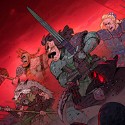
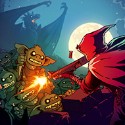




What actually separates Tears of Metal from a generic hack-and-slash is that you're never just swinging a weapon alone. Every fight layers your own light and heavy attacks on top of an army you're actively directing, and leaning on only one half of that system is the fastest way to lose ground defending Scotland.
| Genre | Hack-and-slash roguelike |
|---|---|
| Co-op | Up to 4 players |
| Core loop | Combo-based combat plus army command |
Light and Heavy Attacks in Tears of Metal
Combat for your Scottish warrior in Tears of Metal runs on a simple base, one light attack and one heavy attack that combo into each other, plus dodge and block options for defense. The simplicity is deliberate, since Tears of Metal layers its real complexity on top of this base through army commands rather than through a deep personal combo tree.
Blocking and dodging at the right moment matters more in Tears of Metal than raw combo memorization, since enemy numbers in later waves punish a player who's committed to an attack animation with no defensive option left.
Commanding Your Army Alongside Personal Combat
Beyond your own attacks, Tears of Metal lets you call on your units to hit specific enemies or areas, and a giant attack option can mow down a large cluster of enemies at once when a wave threatens to overwhelm your position. Timing this giant attack for the moment enemies cluster together, rather than using it the instant it's available, is what separates efficient army use from wasted cooldowns.
Juggling personal combos with army commands at the same time is the real skill ceiling in Tears of Metal, since focusing entirely on your own swordplay leaves your units reacting on their own without direction, often to worse effect than a coordinated call-out would produce.
Tears of Metal's Soldiers Carry Over Between Campaigns
Soldiers recruited in Tears of Metal gain permanent skills between campaigns rather than resetting, which turns army management into a long-term investment instead of a disposable resource spent once per run. Recruiting new soldiers and upgrading existing ones both pull from the same resources the Mother Stone conflict generates, so Tears of Metal asks players to balance growing the army against strengthening its best veterans.
What players debate most about Tears of Metal is whether spreading recruitment thin across many soldiers beats concentrating upgrades on a smaller, elite core, and the answer tends to shift depending on how aggressively a given campaign's enemies scale.
Up to Four Players Defending Scotland
Tears of Metal's co-op scales from solo play up to a four-player battalion, and coordinating giant attacks and army commands across multiple players adds a layer of communication that solo runs don't require at all. A four-player group that splits army-command duties rather than everyone commanding the same units tends to clear waves more cleanly than one where commands overlap and conflict.
- Can you play Tears of Metal solo, or does it require co-op? Both are supported; the core combo-and-army-command loop works solo, with co-op adding coordination demands across up to four players rather than being required.
- Do recruited soldiers carry over between campaigns? Yes, soldiers gain permanent skills between campaigns in Tears of Metal, making long-term recruitment choices matter beyond a single run.
- What's the giant attack actually for? It's built for clearing a cluster of enemies at once, and saving it for moments when enemies group together gets far more value than using it on a single target.
Tears of Metal stays interesting because neither half of its system, the personal combo attacks or the army you're commanding around the Mother Stone conflict, works well on its own, and that constant back-and-forth is what keeps every battalion-sized fight from feeling like a solved problem.